
Inflammation Symptoms You Should Never Ignore
Your body has a quiet way of telling you when something is out of balance, and many inflammation symptoms are easy to brush off as simply getting older. Stiff joints, restless sleep, cold hands, low energy. On their own, each can have many causes. Together, and especially when they linger, they may point to chronic, low-grade inflammation. The encouraging news is that recognizing these signs early gives you a chance to respond with food and lifestyle. Here are the symptoms worth paying attention to, and what to do next.
What chronic inflammation feels like
Acute inflammation is the helpful kind. It shows up as redness and swelling after an injury, then fades as you heal. Chronic inflammation is different. It simmers in the background for months or years, often without obvious heat or swelling, which is exactly why it is easy to miss. Doctors can measure it with markers like C-reactive protein, as the Mayo Clinic explains in its overview of the CRP test.
You do not need a lab to start noticing patterns, though. The symptoms below are common ways chronic inflammation shows up day to day. None is cause for alarm on its own, but a cluster that persists is worth your attention and a conversation with your provider.
Persistent joint stiffness and pain
One of the most recognizable inflammation symptoms is joint discomfort that will not quit. Think morning stiffness that takes a while to loosen, achy knees after sitting, or hands that feel less flexible than they used to. Inflammatory signals contribute to this wear-and-tear discomfort, and it tends to become more common after 50.
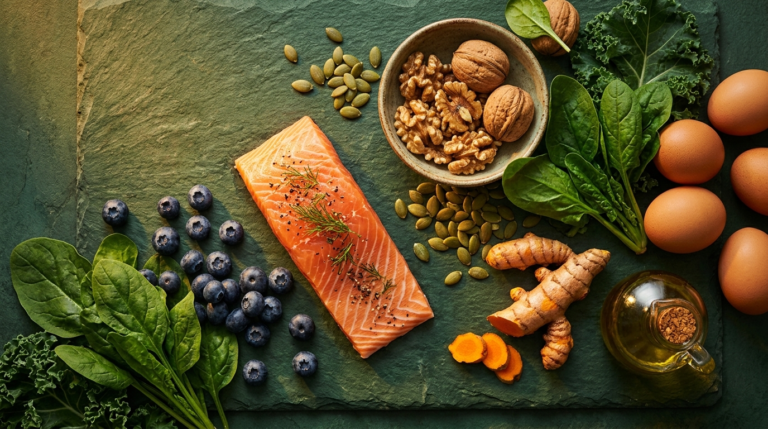
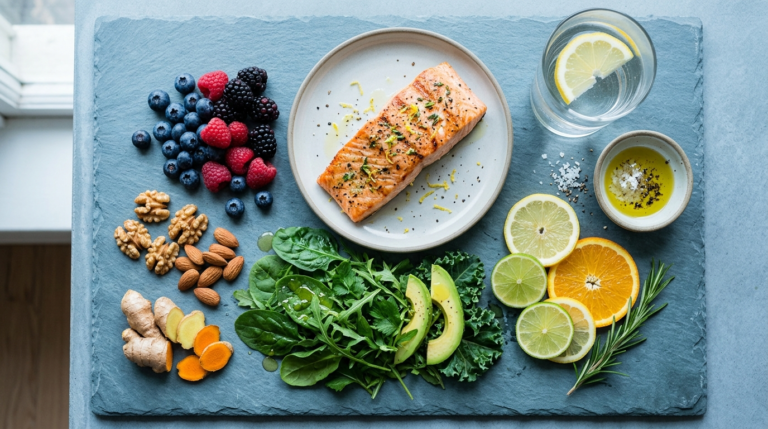
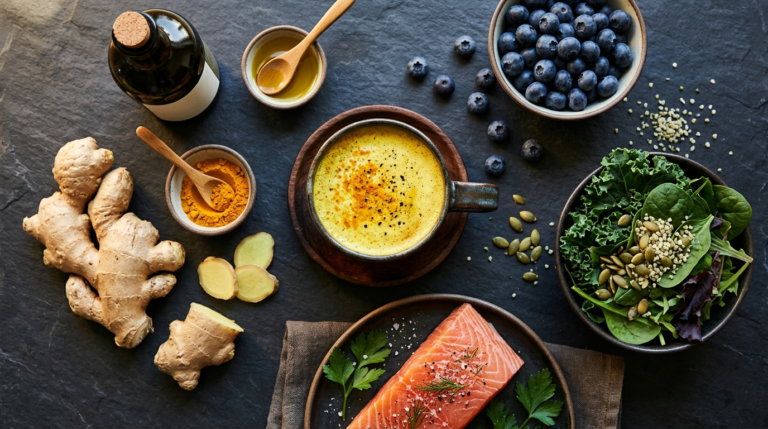
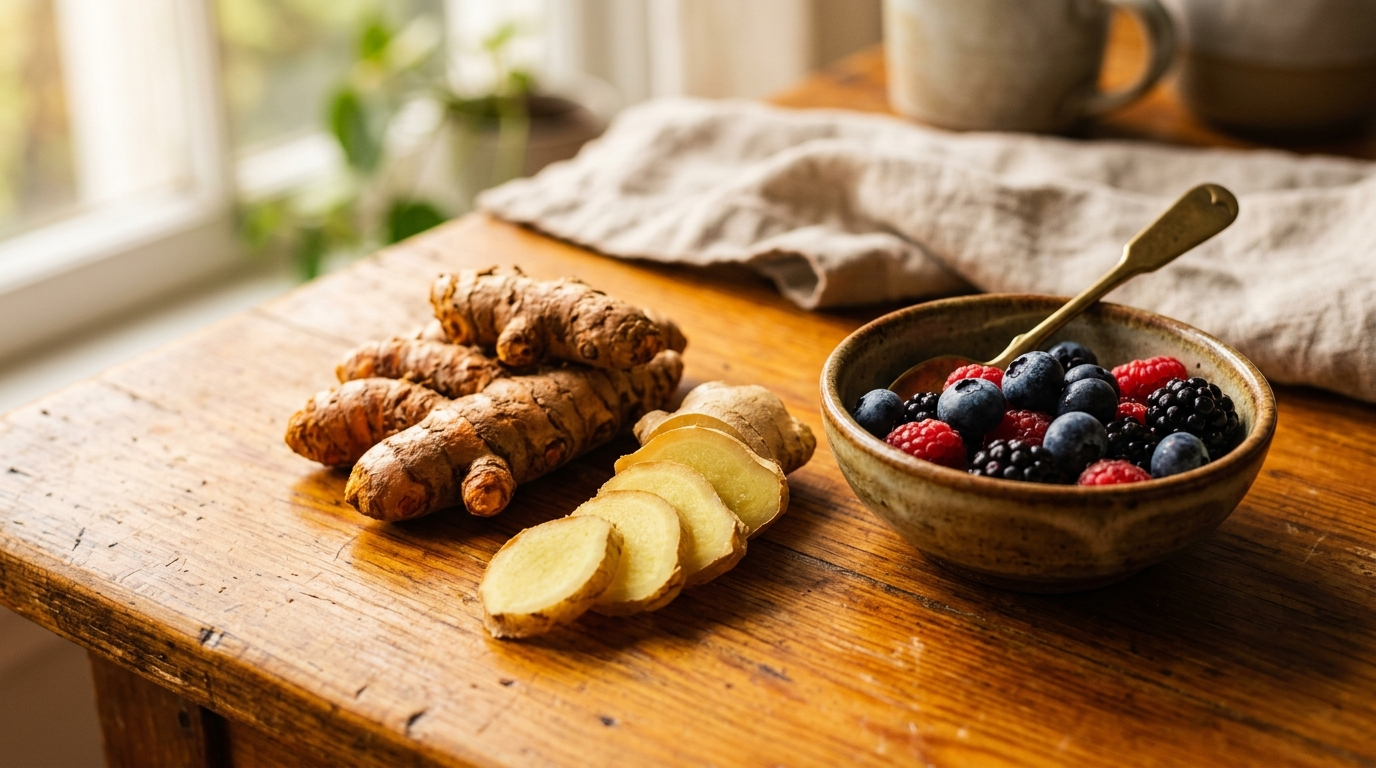
Food is your first response. Omega-3 fats from fatty fish, polyphenols from berries and greens, and compounds in turmeric and ginger all help calm the signals behind joint pain. For extra comfort while you build those habits, a targeted formula like JointVive (Learn More) can offer optional support for flexibility and ease of movement, always as a complement to your plate, never a replacement for it.
Nerve discomfort, tingling, and restless sleep
Inflammation can irritate nerves and disrupt rest, which is why tingling hands or feet, a sensitive lower back, and lighter, more restless sleep often appear together. If you find yourself waking frequently or feeling buzzy and tense at night, an overworked nervous system influenced by inflammation may be part of the story.
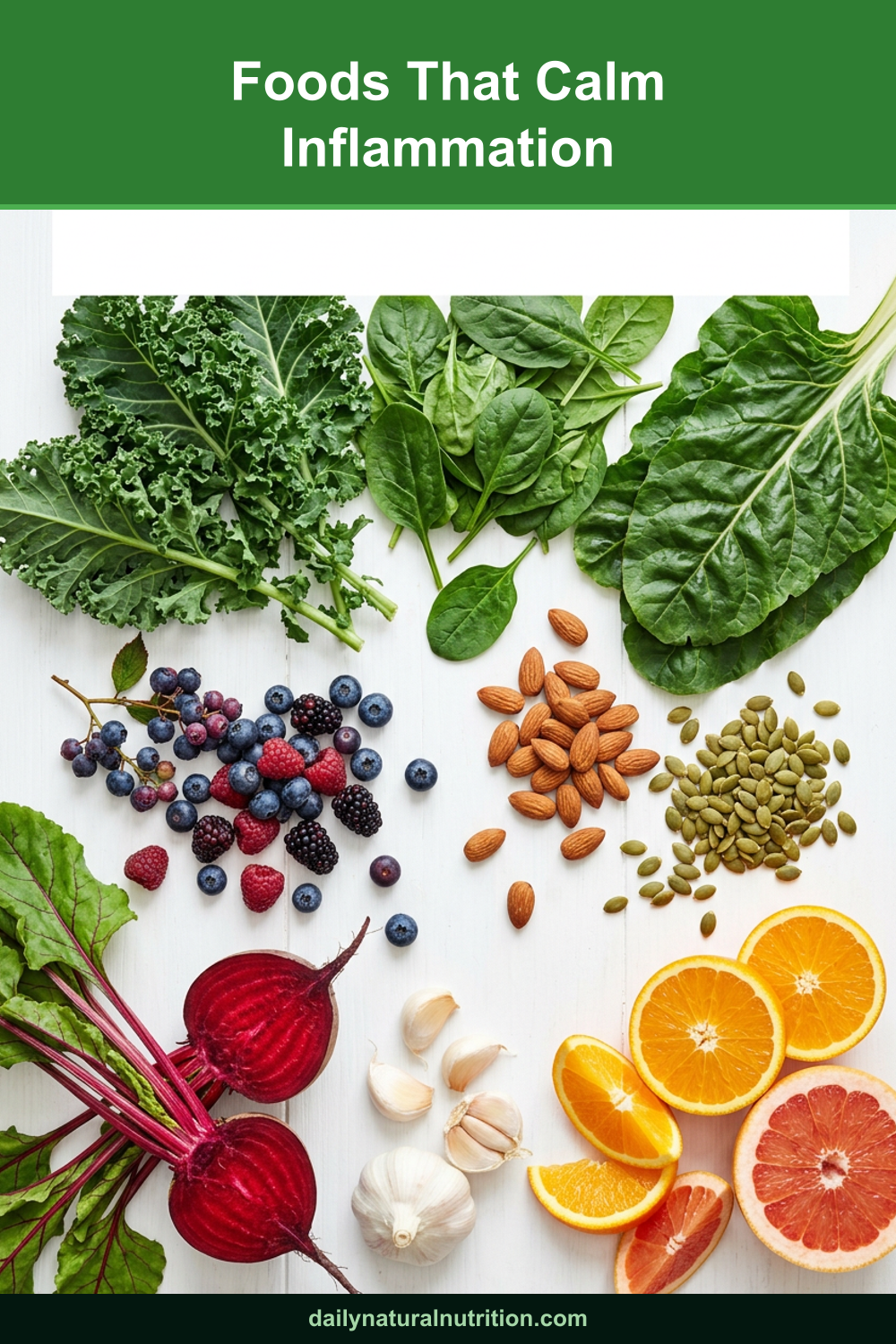
Magnesium-rich foods like leafy greens, pumpkin seeds, and almonds support healthy nerve and muscle function, and a calming evening routine helps too. When you want a little extra help, a nerve formula such as Nerve Fresh (Learn More) offers optional support for calm and healthy nerve signaling, working alongside the foods and habits that do the foundational work.
Circulation problems and cold hands or feet
Chronically cold hands and feet, occasional numbness, or a feeling of poor circulation can also tie back to inflammation, which affects the blood vessels and the molecules that keep them relaxed and open. Healthy blood flow delivers oxygen and nutrients to every tissue, so supporting it matters for comfort and energy alike.
Circulation-friendly foods like beets, citrus, garlic, and pomegranate help your body produce nitric oxide, the molecule that widens blood vessels. If you want focused support, a quick-dissolve nitric oxide formula such as CircO2 (Learn More) can complement those foods, especially for adults over 50 whose natural production has declined.
Digestive trouble, fatigue, and brain fog
Inflammation often shows up in the gut as bloating, irregularity, or general digestive sensitivity, since much of your immune system lives there. It can also drain your energy and cloud your thinking, leaving you tired despite enough sleep and foggy when you need to focus. These quieter symptoms are easy to dismiss, yet they frequently improve with an anti-inflammatory eating pattern.
If gut and energy symptoms sound familiar, our guide on how to reduce inflammation in the body naturally walks through the foods and habits that help most. Small, steady changes here often ripple outward to the rest of your symptoms.
Skin issues and slow healing
Your skin can mirror what is happening inside. Stubborn redness, dryness, breakouts, or cuts that heal slowly can all reflect higher inflammatory activity. Antioxidant-rich foods, healthy fats, and good hydration support skin from the inside out, which is why a colorful, whole-food plate so often shows up in clearer, more resilient skin over time.
When to take symptoms seriously
Honesty matters here. While food and lifestyle help with low-grade inflammation, some symptoms need prompt medical attention. See a provider quickly for severe, sudden, or worsening pain, swelling, numbness, chest discomfort, or anything that genuinely worries you. For persistent, low-level signs, a checkup paired with an anti-inflammatory eating pattern is a sensible path. This article is educational and never a substitute for professional care.
Find where inflammation lives in your body
If you recognize several of these symptoms, the practical next step is to pinpoint where they cluster and respond with targeted food. The free Anti-Inflammatory Body Builder lets you tap the areas where you feel discomfort, answer four quick questions, and receive a personalized plan of foods, meals, and optional support matched to your body. It takes about two minutes and leads with food every time, so you can turn a vague sense of being off into a clear, doable plan.
A food-first response to inflammation symptoms
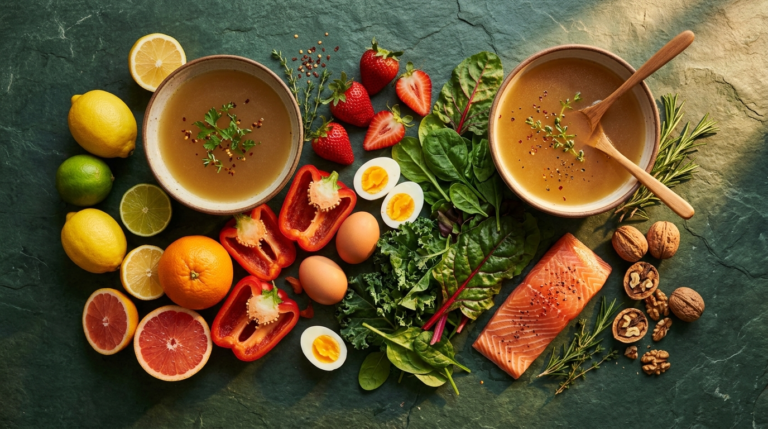
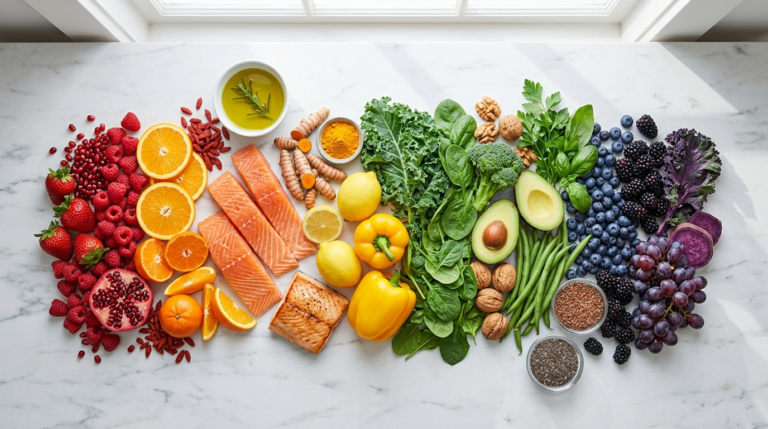
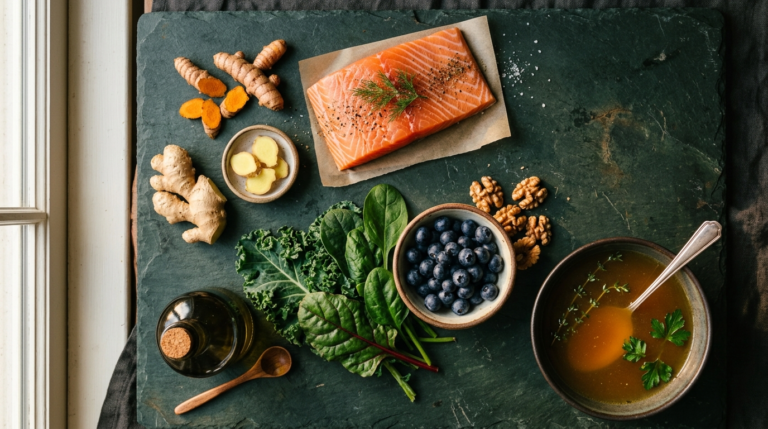
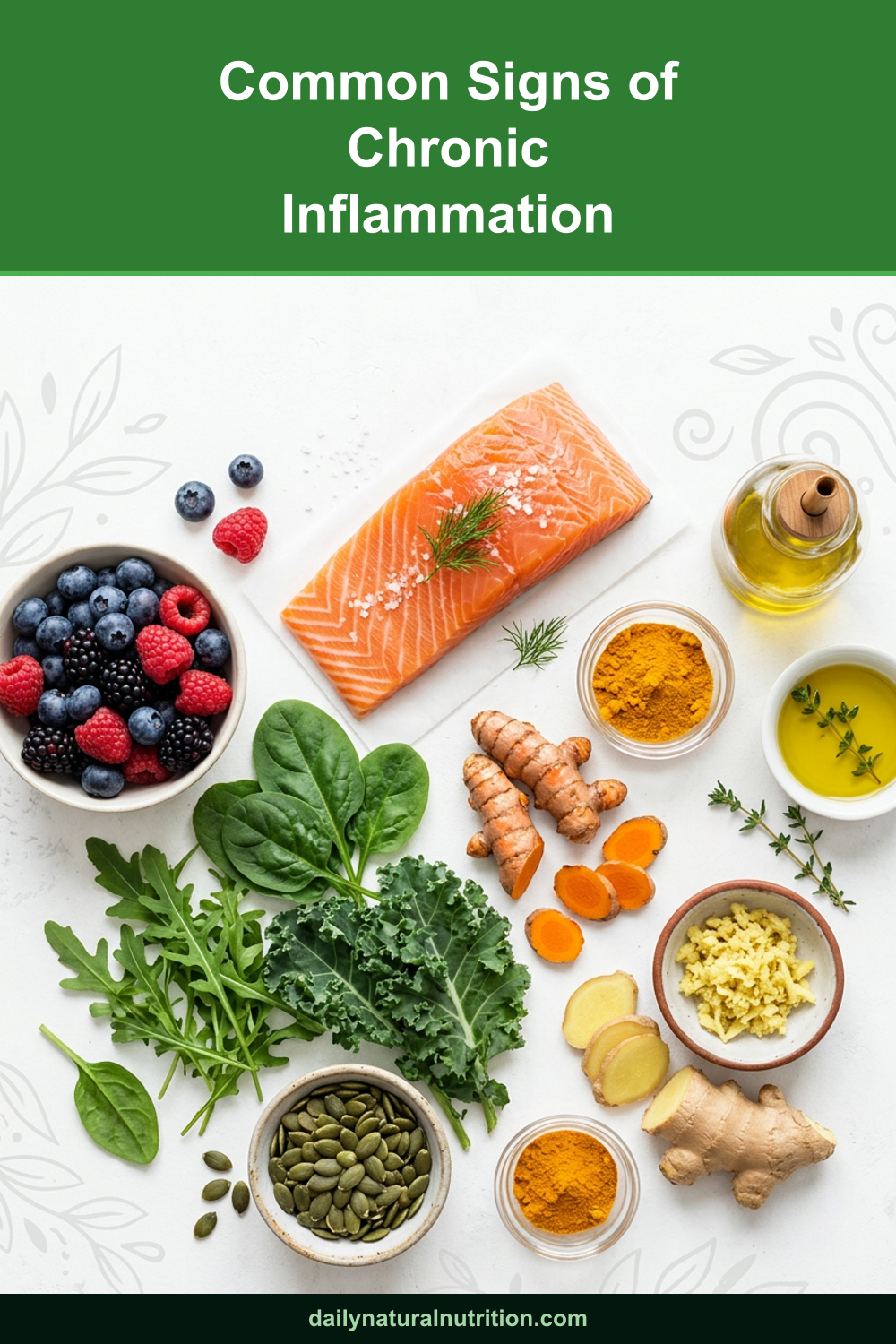
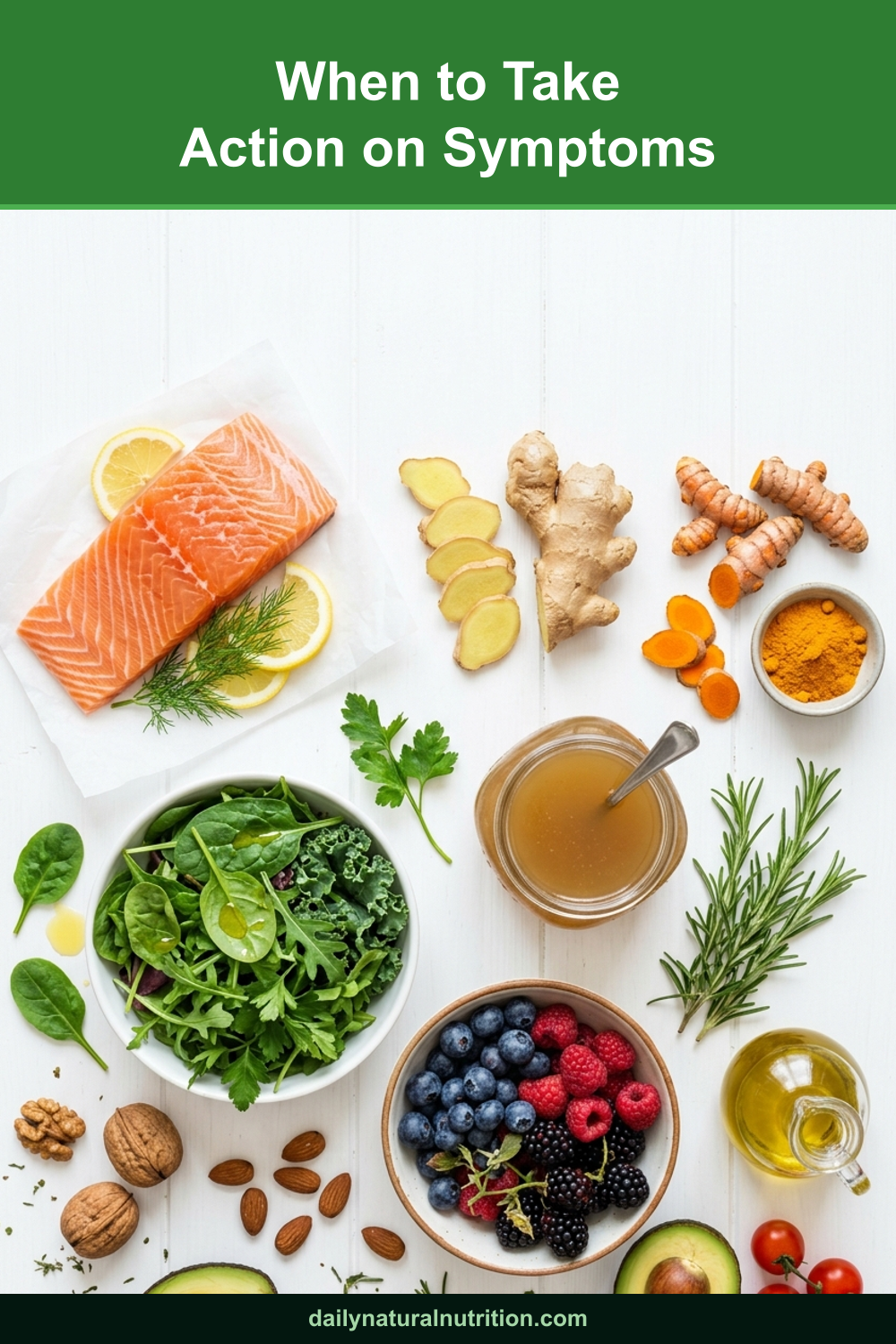
Whatever your symptoms, the foundation is the same: a steady pattern of anti-inflammatory whole foods. Build meals around fatty fish, leafy greens, berries, turmeric, ginger, and olive oil, support your gut with fiber and fermented foods, and add magnesium-rich foods for your nerves and circulation-friendly foods for blood flow.
From there, you can layer optional support exactly where you feel it. Achy joints pair naturally with JointVive (Learn More), restless nerves and sleep with Nerve Fresh (Learn More), and cold, sluggish circulation with CircO2 (Learn More). Each is complementary, each is optional, and each works best on top of a plate that is already doing the heavy lifting.
The science supports this food-first approach. As Harvard Health notes in its overview of foods that fight inflammation, whole, plant-forward foods and healthy fats form the backbone of an anti-inflammatory plate, while heavily processed foods tend to push in the opposite direction. You do not need to be perfect. You simply need to tilt the balance, most days, toward the foods that calm rather than provoke.
Turn your symptoms into a plan
Noticing symptoms is the easy part. Acting on them is where real change happens, and it does not have to be overwhelming. Pick the area that bothers you most, lean into the foods that support it, and build from there. To go deeper on a specific symptom or food, browse our nutrition guides, and when you are ready to consider complementary support, visit our natural supplement recommendations.
When you want a personalized starting point, open the Anti-Inflammatory Body Builder and let it map your symptoms to a food-first plan in about two minutes. Your body has been signaling for a reason. Listening, and responding gently with food, is one of the kindest things you can do for it.
Frequently asked questions
What are the most common symptoms of chronic inflammation?
Common signs include persistent joint stiffness, nerve tingling, poor sleep, cold hands and feet, ongoing fatigue, brain fog, digestive trouble, and skin that heals slowly. Any one can have other causes, so look for a pattern that lingers and discuss it with your provider.
Can inflammation cause joint pain and stiffness?
Yes. Inflammatory signals contribute to the stiffness, swelling, and morning creakiness many people feel after 50. Anti-inflammatory foods like fatty fish, turmeric, and leafy greens help, and a joint formula such as JointVive can offer optional support for comfort alongside your meals.
Why does inflammation affect sleep and nerves?
Inflammation can irritate nerves and disrupt the systems that govern rest, leading to tingling, restlessness, and lighter sleep. Magnesium-rich foods and calming routines help. A nerve formula like Nerve Fresh offers optional support for calm and healthy nerve signaling alongside a steady plan.
Can inflammation cause poor circulation?
It can contribute. Inflammation affects blood vessels and can leave hands and feet feeling cold or tingly. Beets, citrus, garlic, and leafy greens support healthy blood flow, and a nitric oxide formula such as CircO2 offers optional circulation support to complement those foods.
How do I know if my symptoms come from inflammation?
A doctor can check markers like C-reactive protein, but everyday clues include symptoms that linger, cluster, and improve with anti-inflammatory eating. Mapping where you feel discomfort, then responding with targeted foods, is a practical way to see whether food makes a difference for you.
Which foods help with inflammation symptoms?
Fatty fish, leafy greens, berries, turmeric, ginger, olive oil, and bone broth top the list. Magnesium-rich foods support nerves, and beets and citrus support circulation. A consistent pattern of these whole foods does more than any single meal or quick fix.
When should I see a doctor about inflammation symptoms?
See a provider promptly for severe, sudden, or worsening symptoms, or anything that worries you. For persistent low-grade signs, a checkup plus an anti-inflammatory eating pattern is a sensible path. Food supports your care, it does not replace professional medical advice.
Medical disclaimer: The information on this page is for educational purposes only and is not intended as medical advice. Always consult your healthcare provider before starting any new supplement or making significant changes to your diet, especially if you have existing health conditions or take medication.