
How to Reduce Inflammation in the Body Naturally
Learning how to reduce inflammation in the body is one of the most valuable things you can do for your long-term health, especially after 50. Chronic, low-grade inflammation sits quietly behind many of the aches, energy dips, and digestive troubles that become more common with age. The good news is that you have real influence over it, and the most powerful tools are not expensive or complicated. They are the foods on your plate and the rhythms of your day. This guide walks through exactly what to eat, how to live, and where targeted support fits.
What chronic inflammation is and why it matters
Inflammation itself is not the enemy. It is your body’s natural repair response, and in short bursts it helps you heal from an injury or fight off an infection. The problem is chronic, low-grade inflammation that lingers in the background for months or years. Research summarized by the National Institutes of Health on chronic inflammation and disease links this slow simmer to many age-related conditions.
Here is the encouraging part. Lifestyle, and especially diet, has a measurable effect on that simmer. You do not have to overhaul your life overnight. Small, consistent choices add up, and they compound in your favor over time. Let us start where the impact is greatest: your plate.
Eat the foods that calm inflammation
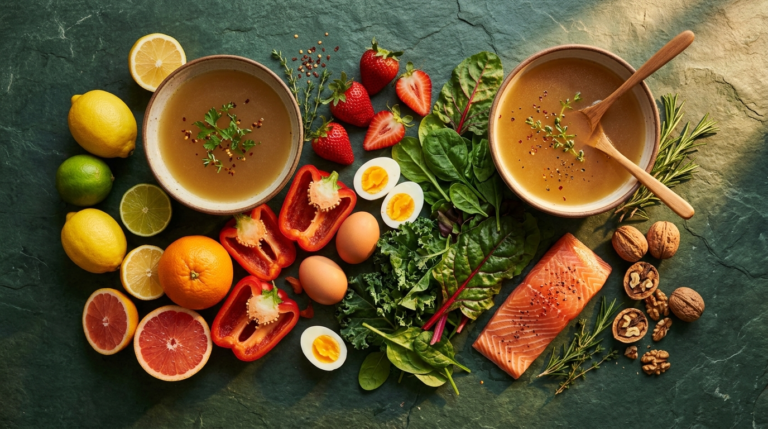
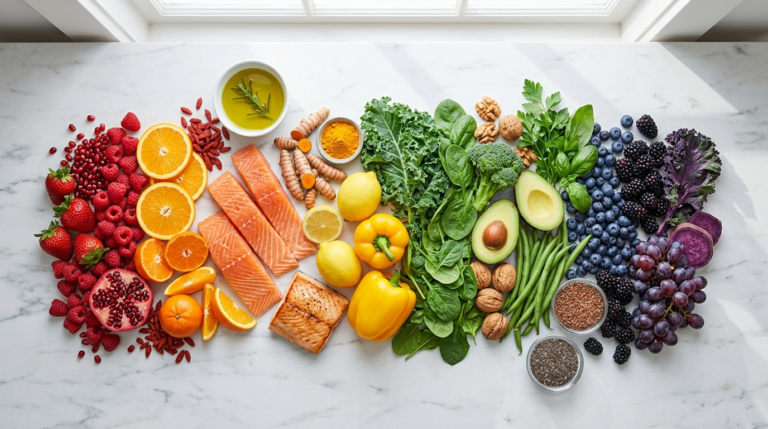
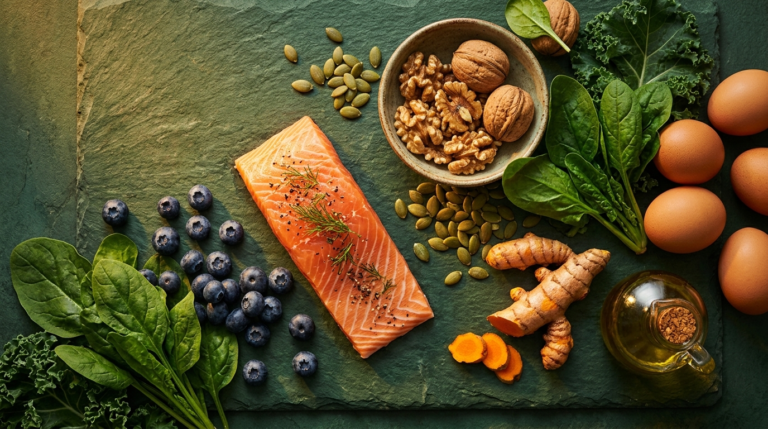
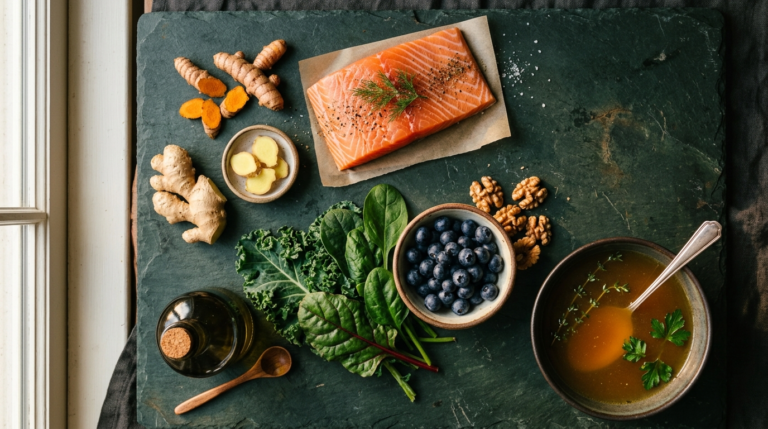
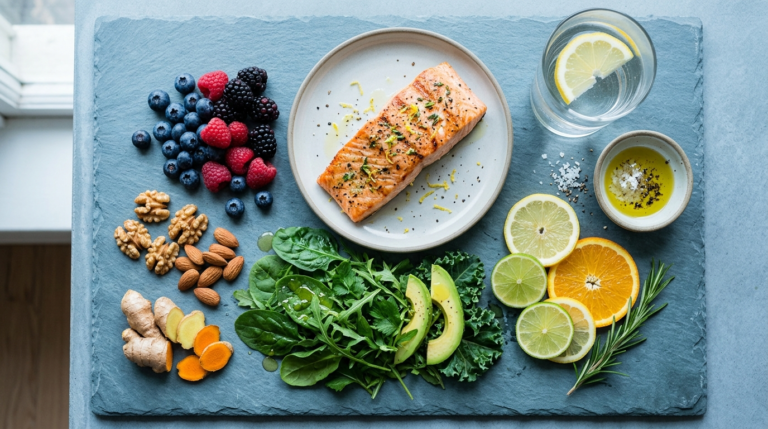
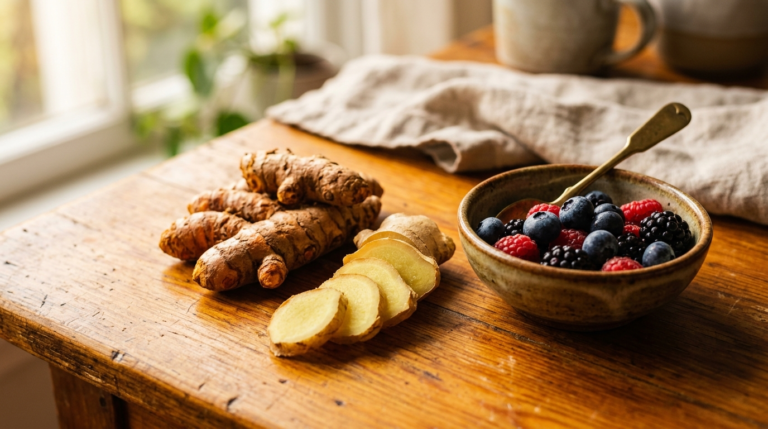
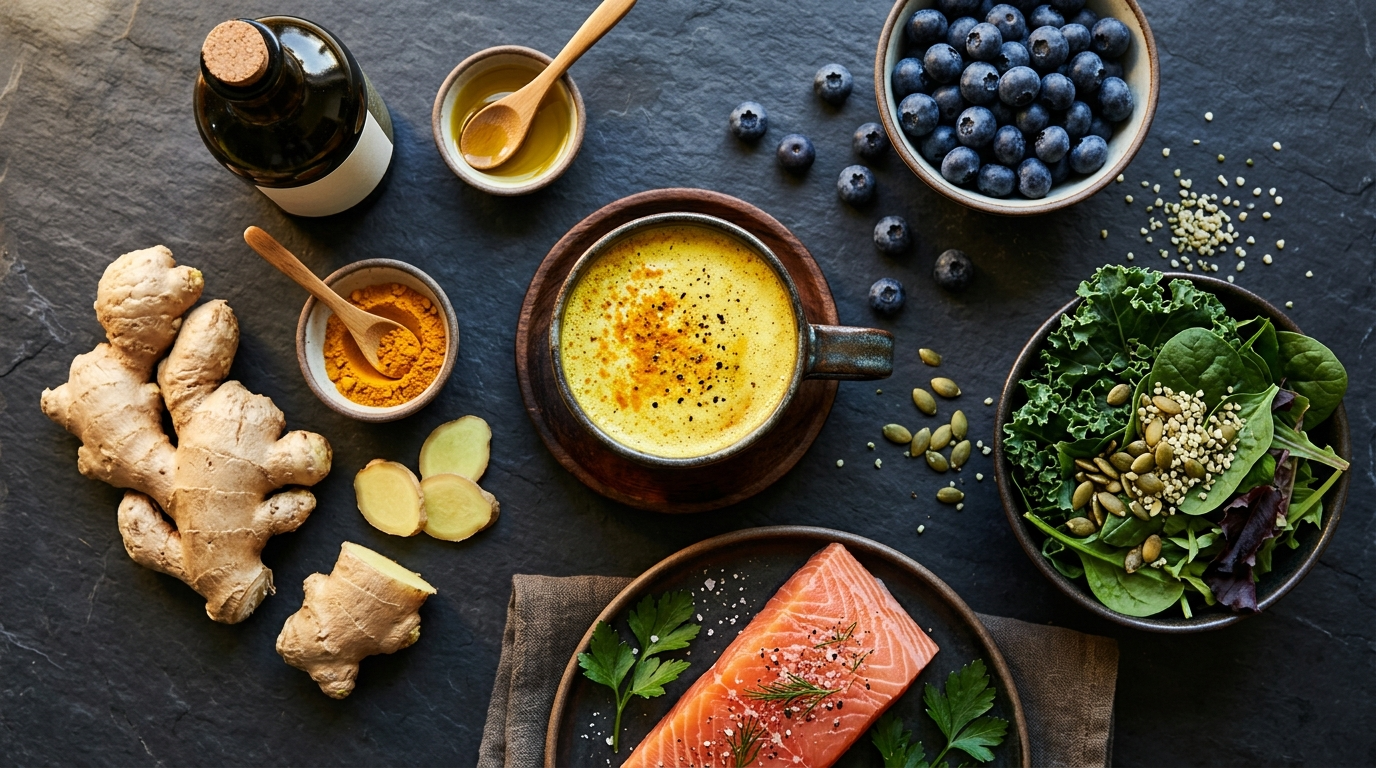
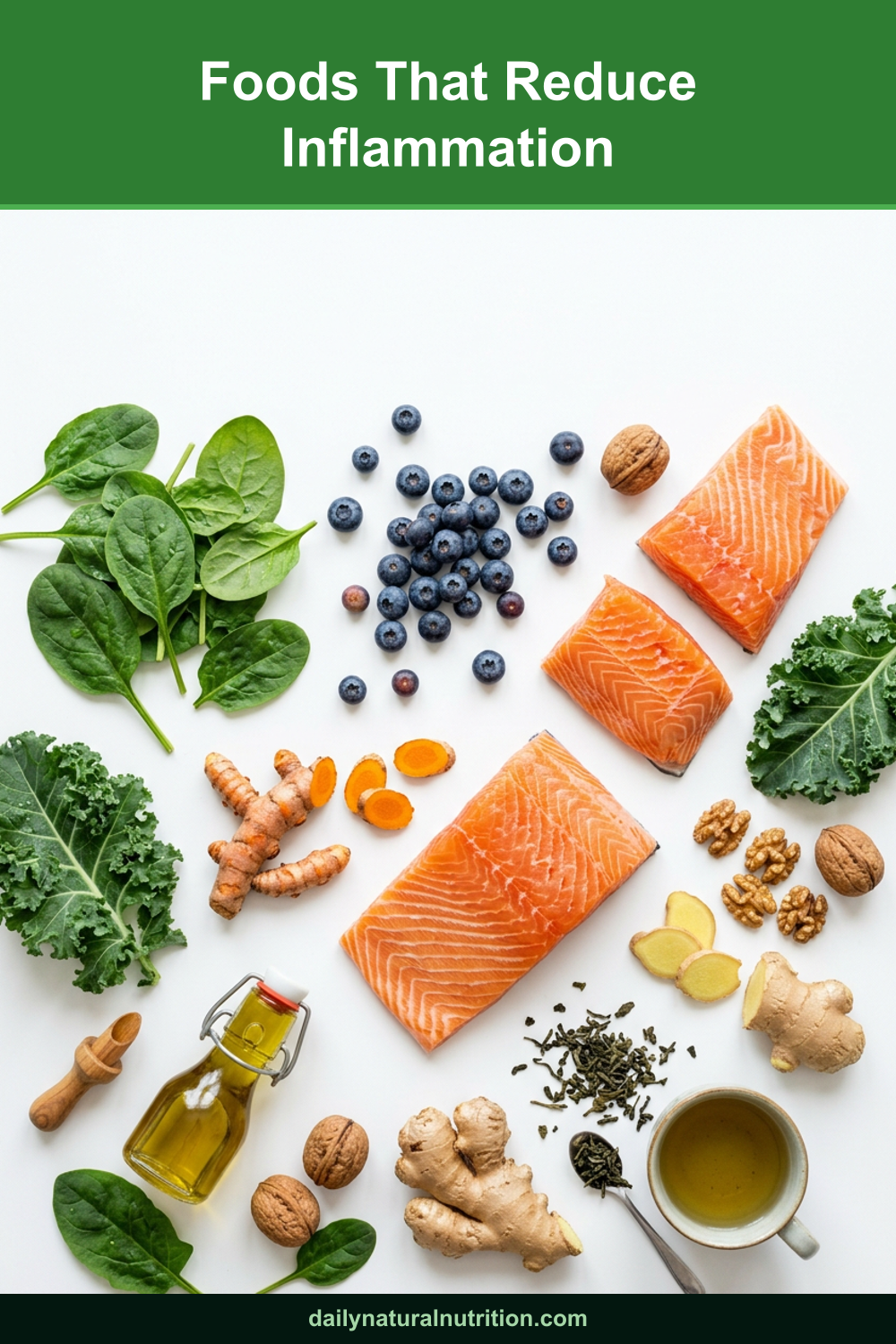
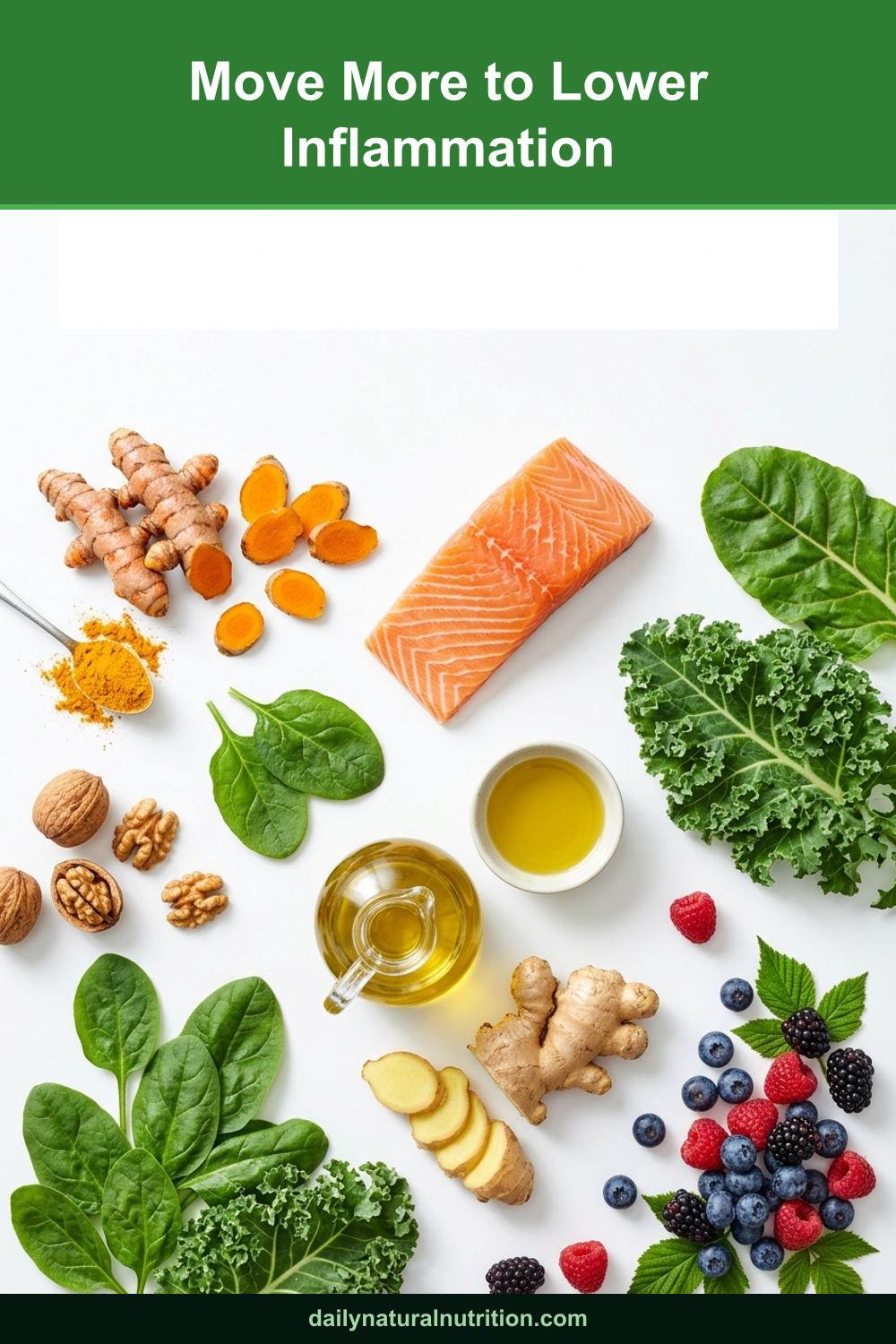
The foundation of reducing inflammation naturally is a steady pattern of whole foods. Fatty fish such as salmon and sardines deliver omega-3 fats. Leafy greens, colorful berries, and green tea provide polyphenols and antioxidants. Turmeric and fresh ginger contribute well-studied plant compounds, and extra virgin olive oil adds gentle, protective fats. According to Harvard Health on foods that fight inflammation, these whole, plant-forward foods form the backbone of an anti-inflammatory plate.
The key word is consistency. A single healthy meal is pleasant, but a repeatable pattern of them is what actually moves the needle. Aim to build most meals around vegetables, healthy fats, and quality protein, and let the colorful, whole foods crowd out the processed ones.
Support your gut, your inflammation control center
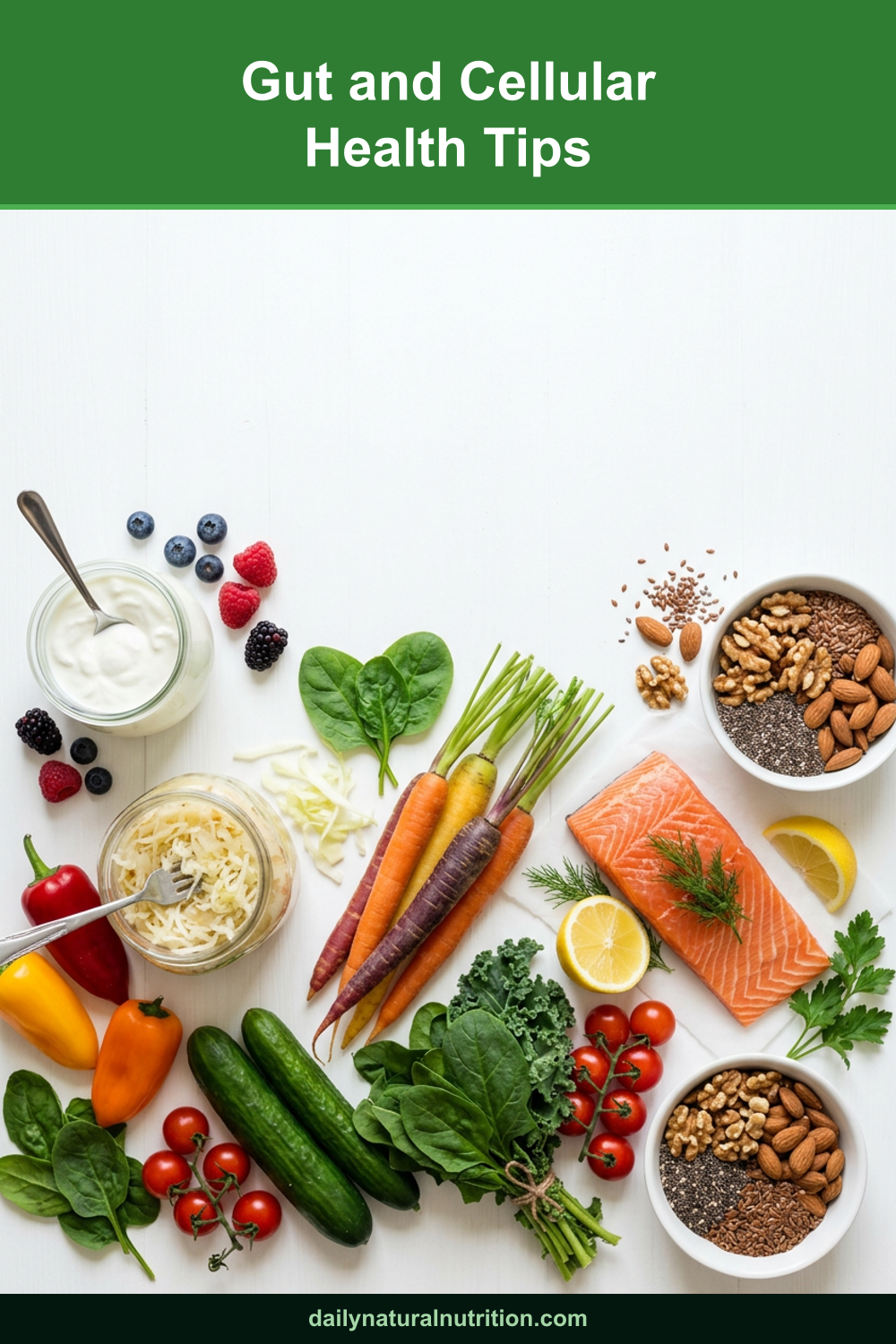
If you want to reduce inflammation, you cannot ignore your gut. A large share of your immune system lives in the digestive tract, so a balanced microbiome helps regulate inflammation throughout the body. Feed your beneficial bacteria with fiber-rich vegetables, fermented foods like yogurt and sauerkraut, and prebiotic fibers that act as fuel for a healthy gut.
Many people over 50 struggle to get enough fiber, which is where a gentle prebiotic can help. A flavorless option such as Peak BioBoost (Learn More) mixes into coffee or water and supports daily regularity and microbiome balance without bloating, making it easy to shore up the gut foundation that keeps inflammation in check. Whole-food fiber still leads. Think of the prebiotic as a simple way to fill the gaps.
Recharge your cells and your energy
Chronic inflammation and low energy often travel together. Inside every cell, tiny structures called mitochondria produce the energy you run on, and their output naturally declines with age and inflammatory stress. Supporting them is part of a complete anti-inflammatory approach, because tired cells struggle to repair and recover.
Food leads here too. Omega-3 fats, leafy greens, and antioxidant-rich berries all support cellular health. If persistent fatigue lingers despite a clean diet and good sleep, a cellular energy formula like Advanced Mitochondrial Formula (Learn More) offers optional support for the energy production that inflammation tends to drain. It is not a stimulant. It works quietly at the cellular level alongside your food-first plan.
Get a personalized anti-inflammatory plan
General advice is helpful, but inflammation shows up differently in everyone. Maybe yours settles in your knees, your gut, or your energy. This is where a free tool can save you guesswork. The Anti-Inflammatory Body Builder lets you tap the areas where you feel discomfort, answer four quick questions, and receive a personalized plan of targeted foods, a daily meal framework, and optional support matched to your body.
It takes about two minutes, it is completely free, and it leads with food every time. Think of it as a shortcut to the specific foods that matter most for your situation, so you can stop guessing and start eating with purpose.
Move your body and protect your joints
Food works best alongside gentle, regular movement. Walking, swimming, and cycling keep joints lubricated, support healthy circulation, and help regulate the inflammatory response. You do not need punishing workouts. Consistency beats intensity, especially as we age.
Movement and joint comfort reinforce each other, and anti-inflammatory foods like turmeric, fatty fish, and leafy greens support the connective tissue that keeps you active. When joint stiffness makes movement harder, a targeted formula such as JointVive (Learn More) can offer complementary support for comfort and flexibility, so you can keep moving and let exercise do its anti-inflammatory work. The goal is a positive cycle: better comfort leads to more movement, and more movement leads to less inflammation.
Lifestyle habits beyond the plate
A few non-food habits round out a natural anti-inflammatory plan. Prioritize seven to nine hours of sleep, since much of your tissue repair happens overnight. Manage stress with breathing, time outdoors, or whatever genuinely relaxes you, because chronic stress fuels inflammation. Maintain a comfortable weight to reduce the inflammatory load that excess body fat can create.
None of these require perfection. Pick one, make it a habit, then add another. Layered together with an anti-inflammatory plate, these everyday choices give your body steady, low-pressure support.
A sample day of anti-inflammatory eating
Here is how it can come together. Breakfast might be a turmeric and ginger berry smoothie with flaxseeds, plus a scoop of prebiotic fiber like Peak BioBoost (Learn More) stirred in to support digestion. Lunch could be a salmon salad over leafy greens with olive oil and walnuts. Dinner might be a ginger-spiced fish with steamed vegetables, and a snack could be tart cherries with almonds.
On especially busy or tiring days, lean on the basics: omega-3 fats, colorful produce, and anti-inflammatory spices. If fatigue is your main struggle, that is a good day to pair the plan with cellular energy support such as Advanced Mitochondrial Formula (Learn More), and if your joints feel stiff after activity, that is when JointVive (Learn More) fits naturally alongside the meal. Food first, support second, every time.
Start your plan today
Reducing inflammation naturally is not about a single perfect day. It is about a steady, repeatable pattern your body can rely on. Choose a few anti-inflammatory foods you genuinely enjoy, support your gut and your energy, move a little each day, and let consistency do the quiet work. When you want a clear, personalized starting point, the free Anti-Inflammatory Body Builder turns your specific concerns into a plan in about two minutes. Your future joints, gut, and energy will thank you for starting today.
Frequently asked questions
How can I reduce inflammation in my body naturally?
Start with food. Eat fatty fish, leafy greens, berries, turmeric, ginger, and olive oil consistently, support your gut with fiber and fermented foods, move daily, sleep well, and manage stress. These steady habits do more to calm inflammation than any single quick fix or trendy product.
Which foods reduce inflammation the fastest?
Fatty fish, turmeric, ginger, leafy greens, berries, and extra virgin olive oil show the strongest anti-inflammatory effects in research. They work best as a consistent pattern rather than a one-time meal, so aim to include several of them across your day, every day.
How long does it take to lower inflammation through diet?
Most people notice gradual changes within two to eight weeks of consistent anti-inflammatory eating. Inflammation markers in the blood can shift sooner, while comfort, energy, and digestion tend to improve steadily over several weeks of whole-food meals rather than overnight.
Does gut health affect inflammation?
Yes, significantly. Much of your immune system lives in the gut, so a balanced microbiome helps regulate inflammation throughout the body. Fiber, fermented foods, and prebiotics feed beneficial bacteria. A gentle prebiotic such as Peak BioBoost can support that foundation alongside fiber-rich meals.
Do supplements help reduce inflammation?
They can offer optional support, but food comes first. Whole foods supply the fiber, fats, and plant compounds your body uses to calm inflammation. Targeted options like JointVive for joints or a mitochondrial formula for energy are complementary, never a replacement for a nourishing plate.
Can lifestyle changes lower inflammation without medication?
For many people, yes, especially for low-grade inflammation. Food, regular movement, quality sleep, stress management, and a healthy weight all lower inflammatory signals. Always work with your provider, particularly if you take medication, but these natural habits form a powerful foundation on their own.
How do I know which anti-inflammatory foods I need most?
It depends on where you feel it. Joints, gut, brain, and energy each respond to slightly different foods. A free tool like the Anti-Inflammatory Body Builder maps your specific concerns to targeted foods and meals, so you can focus your plate where your body needs it most.
Medical disclaimer: The information on this page is for educational purposes only and is not intended as medical advice. Always consult your healthcare provider before starting any new supplement or making significant changes to your diet, especially if you have existing health conditions or take medication.